


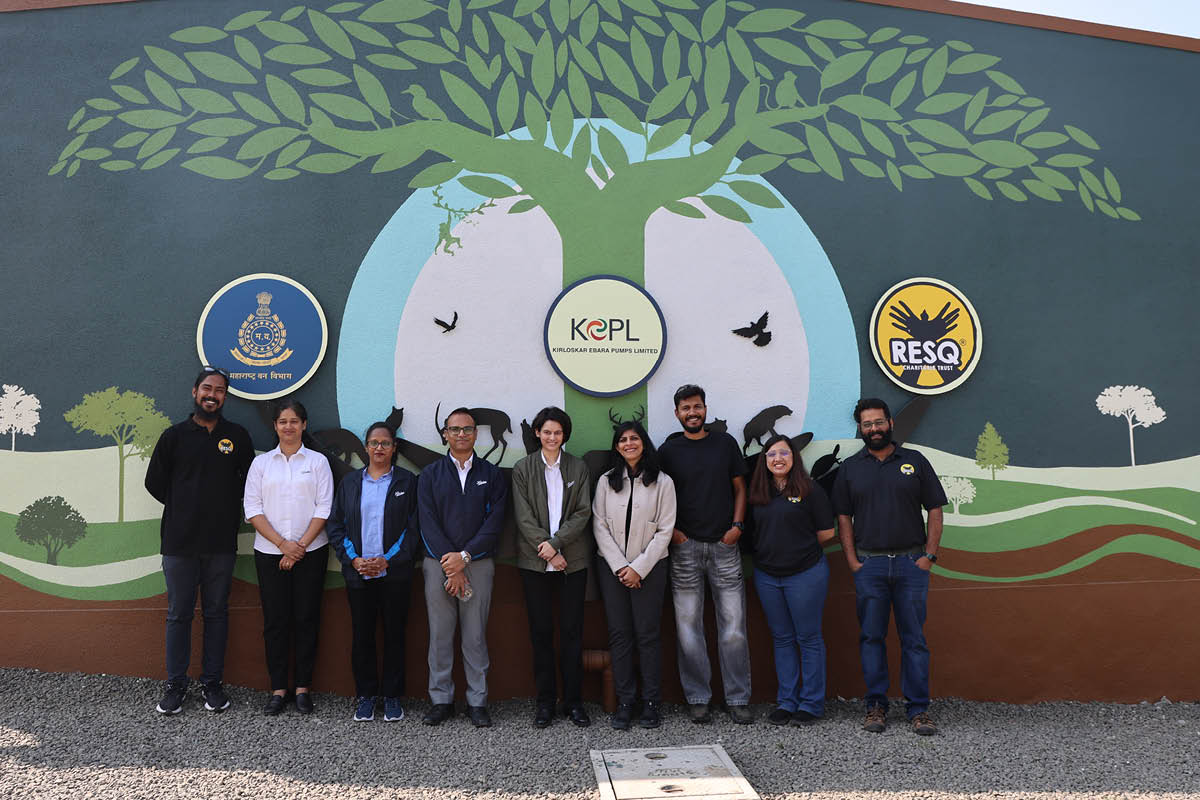
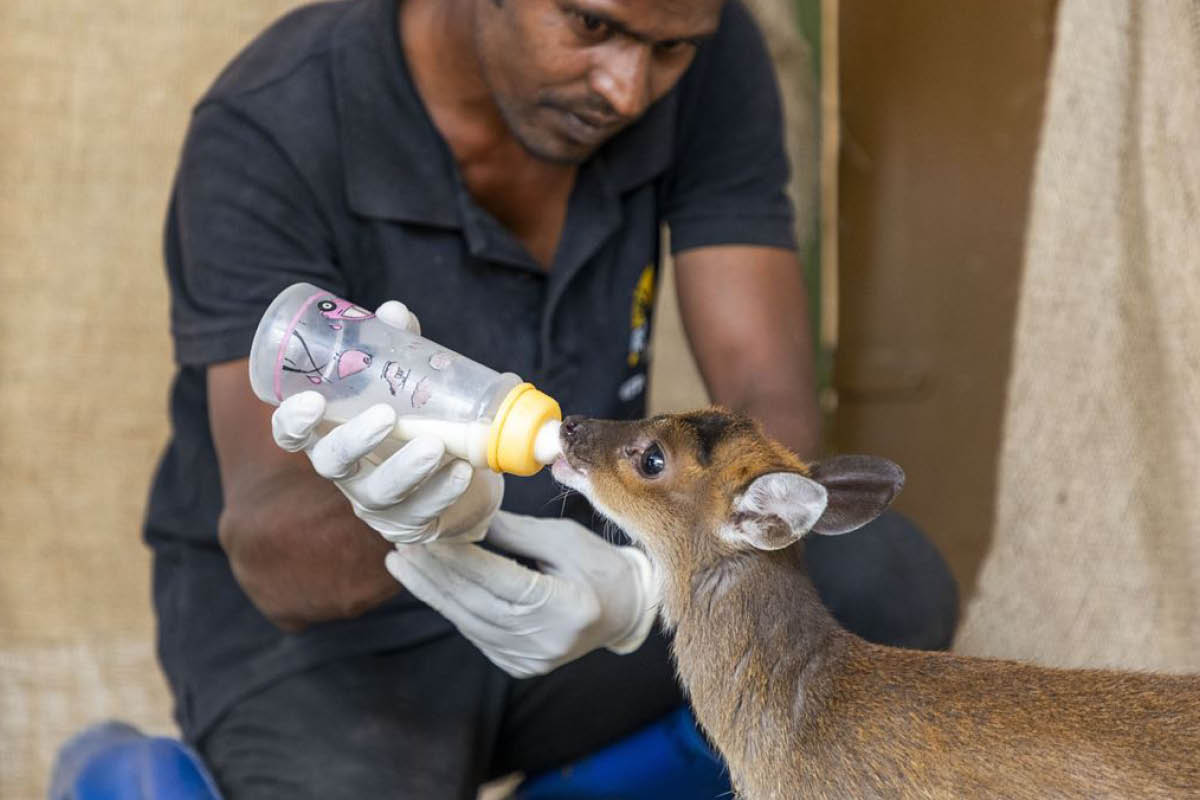
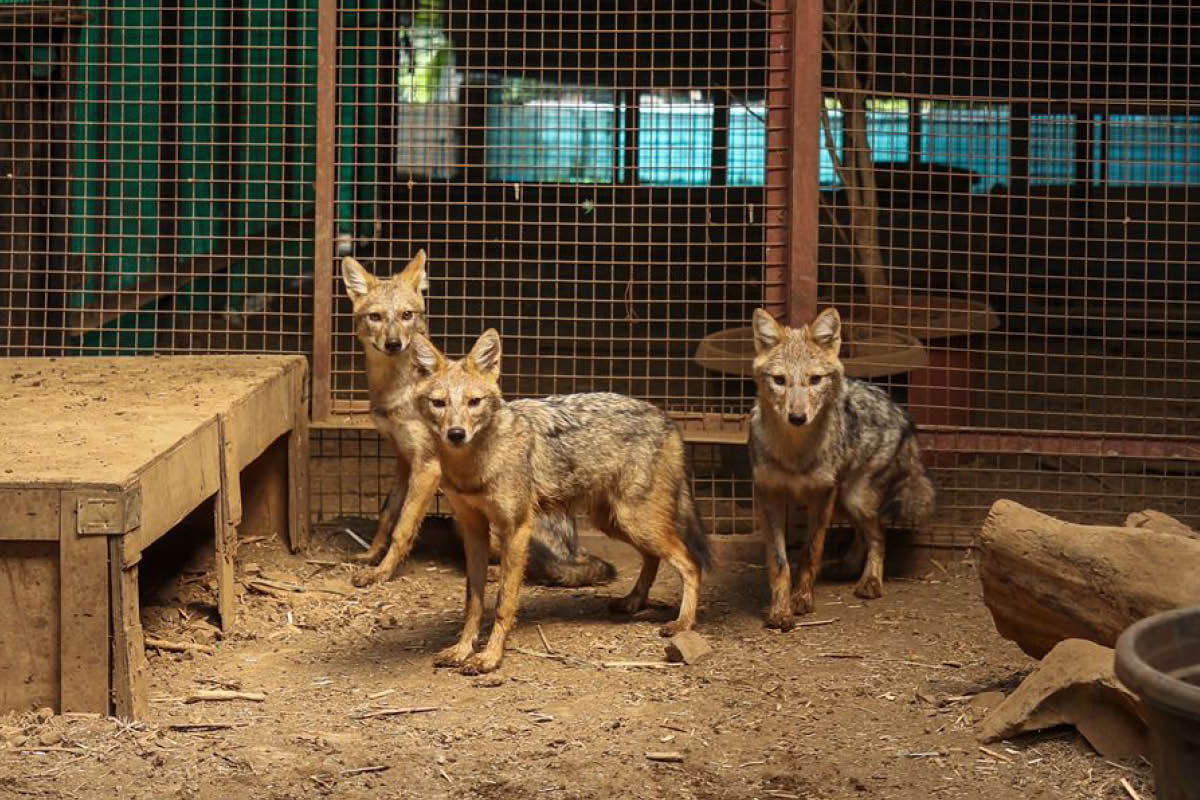
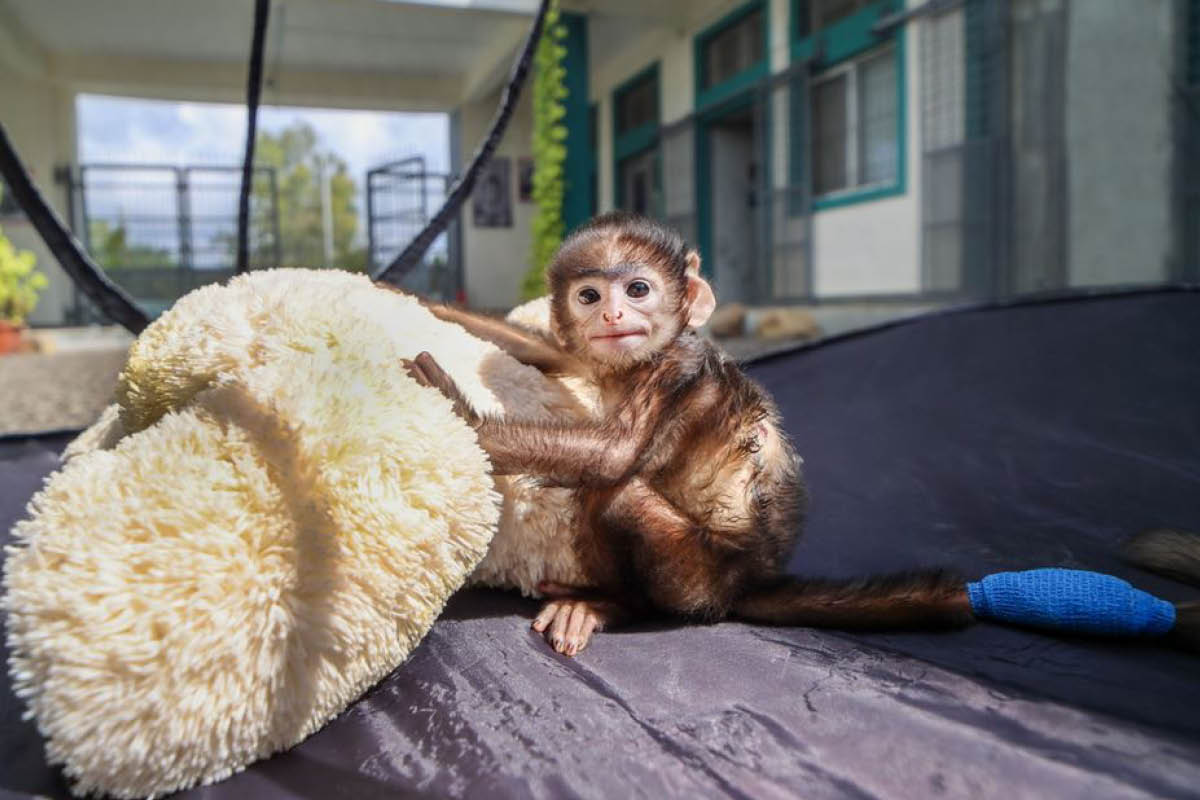
Kirloskar Ebara Pumps Limited (KEPL) has donated a Wildlife Intensive Care Unit (ICU) to RESQ Charitable Trust, Pune, as part of its continued commitment to wildlife conservation and environmental sustainability. RESQ focuses on the rescue, treatment, and rehabilitation of wild animals, and this contribution enhances its ability to provide critical care to injured or distressed wildlife, aiding in their recovery and return to natural habitats.
This initiative underscores KEPL’s dedication to creating a meaningful impact on the environment and society, in line with its vision of sustainability and compassionate coexistence.
Commitment to Sustainability
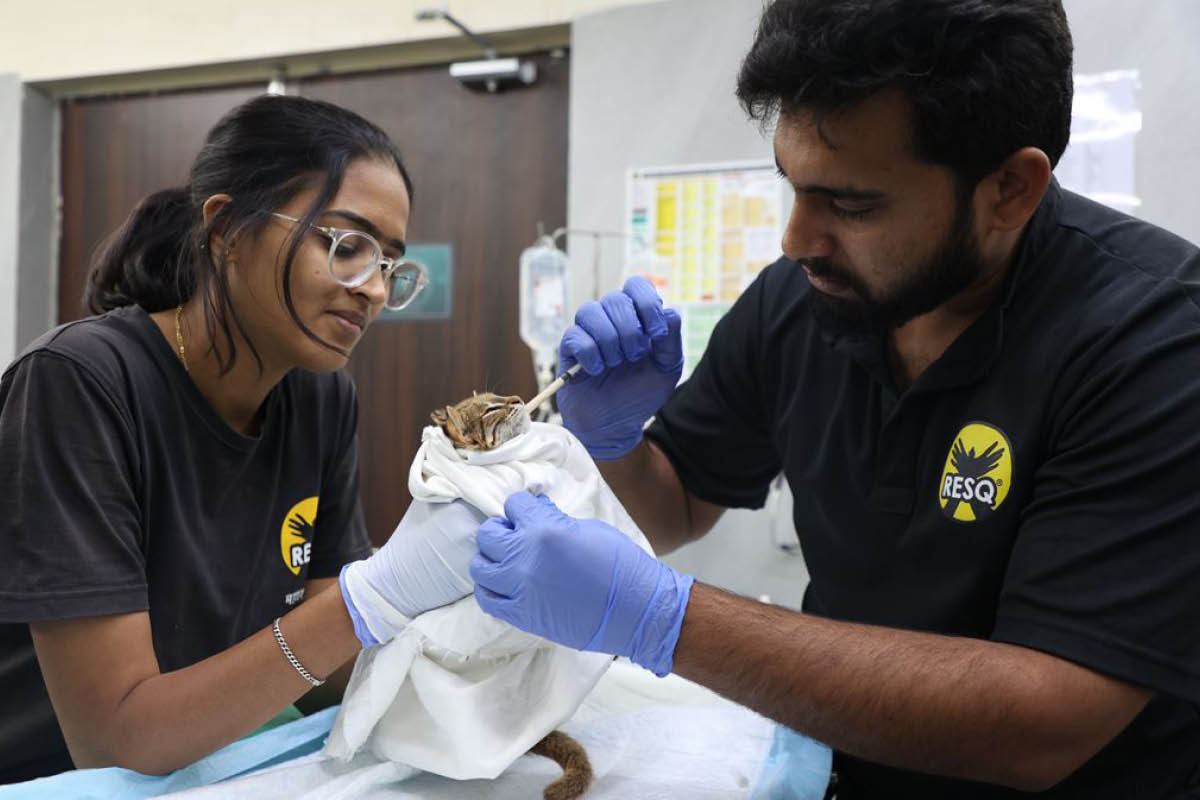
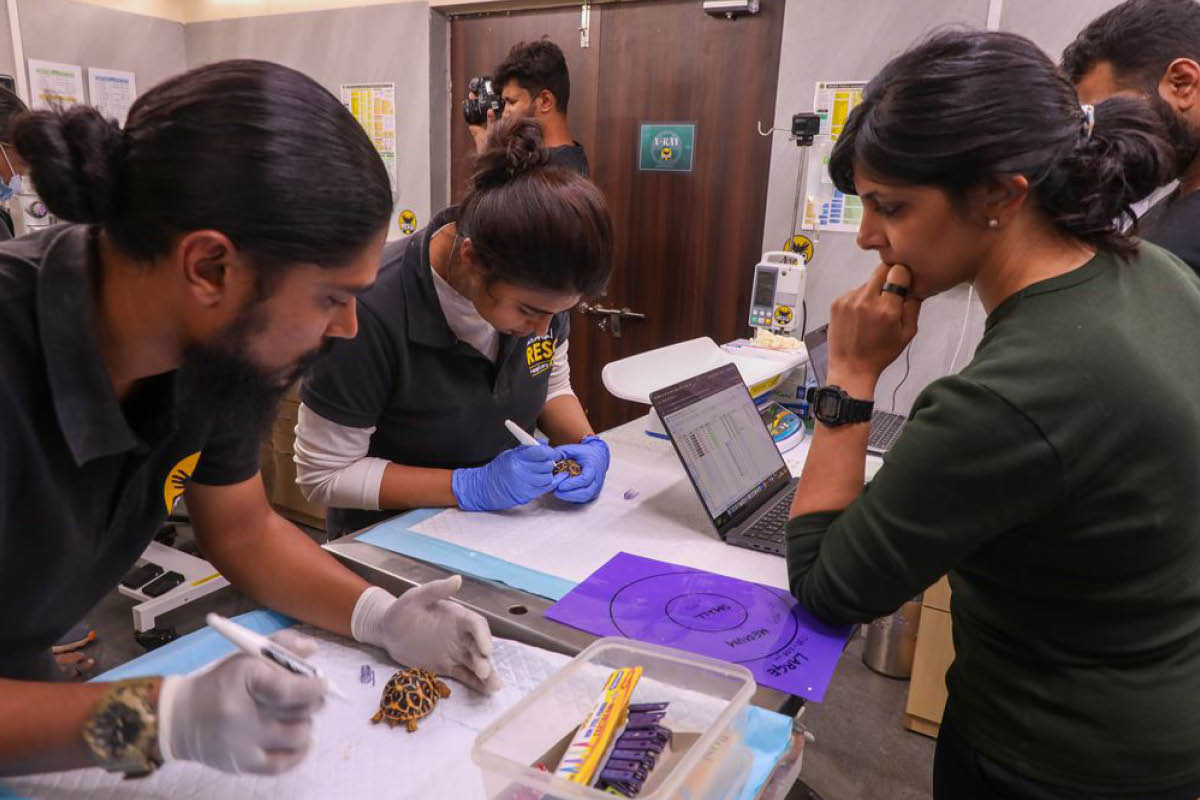
In alignment with KEPL’s values of protecting all forms of life, the Company has supported the establishment of a state-of-the-art Wildlife ICU at RESQ. The facility provides advanced medical care, round-the-clock monitoring, and specialised treatment to wild animals suffering from trauma or illness.
Founded in 2007, RESQ Charitable Trust is one of Pune’s pioneering animal rescue organisations, having played a crucial role in saving and rehabilitating thousands of wild species through veterinary care, field rescues, awareness initiatives, and community engagement. By partnering with such organisations, KEPL aims to help preserve ecological balance while promoting co-existence between humans and wildlife.
Impact and Outcomes
The Wildlife ICU at RESQ’s Wildlife Transit and Treatment Centre (TTC-2) has already demonstrated tangible results in wildlife conservation efforts:
- 500+ injured and distressed wild animals treated successfully in this year.
- Significant increase in trauma-related cases, particularly in January–February, due to manja-related injuries. Advanced wound care, surgical interventions, and expert monitoring improved survival rates for species such as Bonelli’s Eagles, Shikras. Jungle Cats and Blackbucks
- Backed by a dedicated team of 90+ trained professionals, the ICU continues to stabilise critically injured wildlife and enable their safe release back into natural habitats.
 Home
Home  Products
  Industries
  Contact